


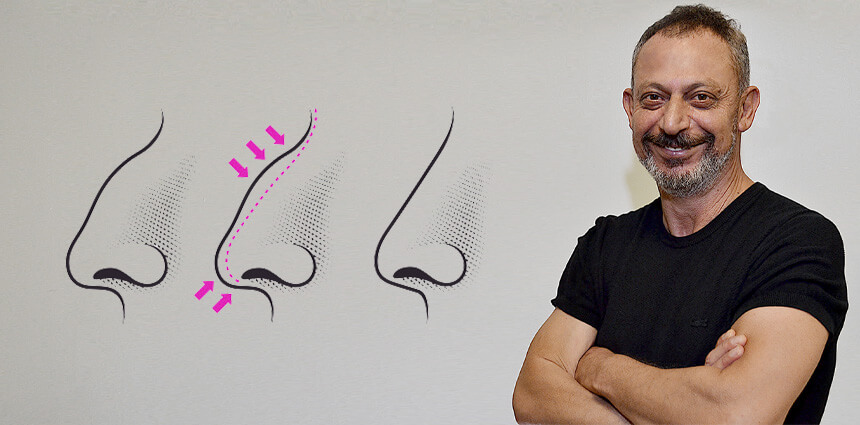
One of the preferred applications in cases where the deformity in the nose is not very serious is non-surgical rhinoplasty. In this method, also called nasal filling, dermal filling is applied to the bridge of the nose.
Non-surgical rhinoplasty applications, which are a very reliable option in the treatment of mild problems such as low nasal tip, nasal contour problem, wrinkled nose appearance and nasal flatness, are very simple operations, and the products preferred for filling have a completely reliable structure. Hyaluronic acid is the most commonly used injectable gel-like filler. After injection, dermal fillers that reach the deep skin layers in that area provide the desired shape. Although it varies from procedure to procedure and depending on the filler material used, the appearance obtained can effectively maintain its presence from 4 months to 3 years.
Liquid rhinoplasty applications are quite simple procedures compared to surgical rhinoplasty procedures. In aesthetic applications performed with this method, in addition to giving a new appearance to the nose, the desired appearance can be obtained in the nasal tips that are congenitally low or fall with age.
On the day of the operation and on the following day, the large ablution may be black in colour due to the blood swallowed during the operation or the patient may vomit coffee grounds on the day of the operation. Do not worry. If this continues for a few days, inform your doctor. Rest until your tampons are removed. Avoid excessive exercise and strenuous daily activities even if you feel well.

Follow us on social media
